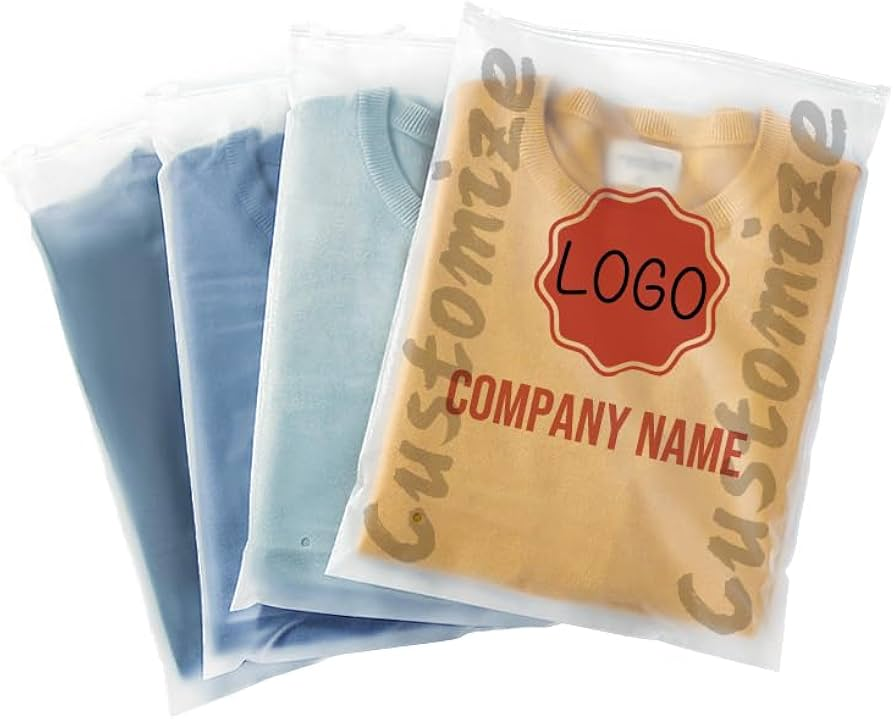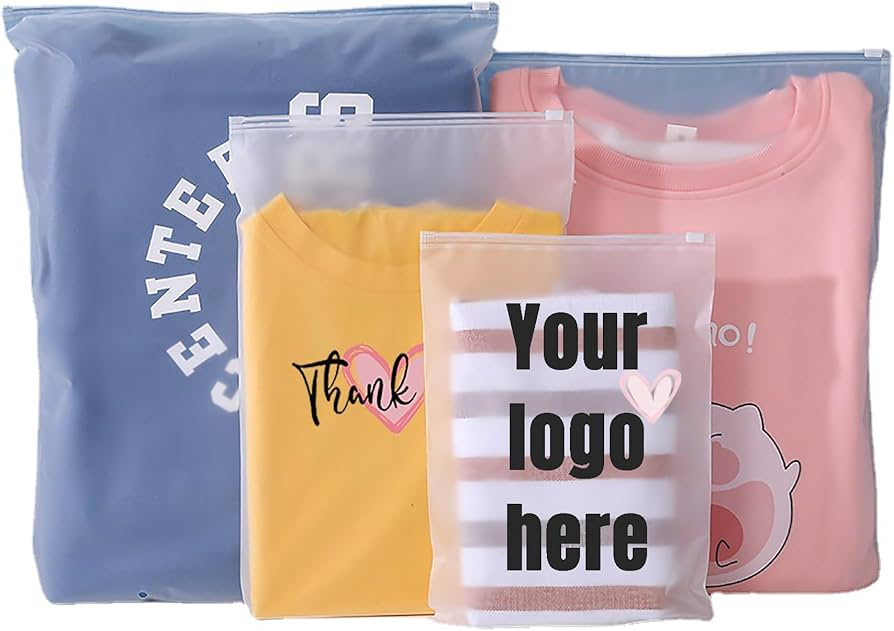
In today's competitive marketplace, packaging has evolved far beyond its traditional role of merely protecting products during transit. Custom packaging bags have emerged as a powerful strategic tool that combines functionality with brand identity, creating unique customer experiences while meeting specific business requirements. These specialized packaging solutions are transforming how companies present their products, engage with customers, and differentiate themselves in crowded markets.
Understanding Custom Packaging Bags
Custom packaging bags are specially designed and manufactured packaging solutions tailored to meet specific product requirements, brand identities, and customer preferences. Unlike standard, off-the-shelf packaging options, these bags are created from scratch based on individual business needs, incorporating unique dimensions, materials, designs, and functionalities that align with a company's brand strategy and product specifications.
The fundamental distinction between custom and standard packaging lies in personalization. While standard packaging offers generic, one-size-fits-all solutions, custom packaging bags are meticulously crafted to reflect a brand's personality, values, and aesthetic preferences. This customization extends to every aspect of the bag – from size and shape to material selection, color schemes, printing designs, and special features like resealable closures, handles, or windows.
Types of Custom Packaging Bags
The diversity of custom packaging bags available today reflects the varied needs of different industries and applications. Understanding these types helps businesses select the most appropriate solution for their specific requirements.
Flexible Pouches represent one of the most popular categories, particularly in the food and beverage industry. These include stand-up pouches, flat pouches, and gusseted bags that can be customized with various closure options like zippers, spouts, or tear notches. They're ideal for packaging snacks, coffee, pet food, and liquid products, offering excellent barrier properties and shelf appeal.
Paper Bags and Shopping Bags have experienced a renaissance as businesses seek eco-friendly alternatives to plastic. Custom paper bags can be crafted from kraft paper, recycled paper, or luxury paper stocks, with options for twisted handles, flat handles, or rope handles. These bags serve both functional and promotional purposes, particularly in retail environments where they become walking advertisements for brands.
Plastic and Poly Bags remain essential for many applications due to their durability, moisture resistance, and cost-effectiveness. Custom poly bags can be manufactured from various materials including LDPE, HDPE, polypropylene, and biodegradable alternatives. They're widely used in e-commerce, food packaging, and industrial applications, with customization options including printing, sizing, and special additives for enhanced functionality.
Specialty Bags encompass a wide range of application-specific solutions such as insulated thermal bags, anti-static bags for electronics, vacuum-sealed bags for freshness preservation, and child-resistant bags for safety-sensitive products. Each type can be customized to meet specific regulatory requirements and performance standards.
Materials Used in Custom Packaging Bags
The selection of materials for custom packaging bags has expanded significantly, driven by technological advances and growing environmental consciousness. Each material offers distinct advantages and considerations.
Traditional Materials like plastic films (PET, BOPP, LDPE) continue to dominate due to their excellent barrier properties, printability, and cost-effectiveness. These materials can be laminated together to create multi-layer structures that combine the benefits of different polymers, such as moisture resistance, oxygen barrier, and heat sealability.
Paper-based materials have gained tremendous popularity as businesses seek sustainable alternatives. Kraft paper, white paperboard, and recycled paper offer excellent printability and biodegradability. Modern paper bags can be enhanced with coatings or liners to improve moisture resistance while maintaining their eco-friendly credentials.
Biodegradable and Compostable Materials represent the fastest-growing segment, responding to consumer demand for environmentally responsible packaging. Materials like PLA (polylactic acid), PBS (polybutylene succinate), and plant-based films offer similar functionality to traditional plastics while providing end-of-life environmental benefits. These materials can be customized with various additives to enhance their performance characteristics.
Specialty Materials serve specific industry needs. Metalized films provide superior barrier properties for products sensitive to light and oxygen. Nylon and other high-strength polymers offer puncture resistance for heavy or sharp products. Recycled content materials help companies meet sustainability goals while maintaining packaging performance.
The Customization Process
Creating custom packaging bags involves a systematic process that transforms concepts into tangible products. This journey typically begins with requirement gathering, where packaging experts work closely with clients to understand their specific needs, including product characteristics, target market, budget constraints, and regulatory requirements.
The design phase involves creating digital mockups and prototypes that visualize the final product. This stage allows for experimentation with different shapes, sizes, materials, and design elements. Advanced CAD software and 3D modeling tools enable precise visualization and rapid iteration before committing to production.
Material selection follows, balancing performance requirements with aesthetic preferences and budget considerations. This step involves evaluating factors such as barrier properties, durability, printability, sustainability credentials, and cost-effectiveness. Many manufacturers offer material samples and testing to ensure compatibility with the intended product and use case.
The production process typically involves several stages: printing, where custom designs are applied to the packaging material; conversion, where printed materials are formed into bags; and finishing, where additional features like handles, closures, or special coatings are applied. Quality control measures are implemented throughout to ensure consistency and adherence to specifications.
Benefits of Custom Packaging Bags
The investment in custom packaging bags yields numerous benefits that extend far beyond basic product protection. These advantages make custom packaging an essential component of modern business strategy.
Brand Differentiation stands as perhaps the most significant benefit. In retail environments where countless products compete for consumer attention, custom packaging bags serve as silent salespeople, communicating brand values and personality through visual and tactile elements. Unique shapes, colors, and finishes can capture attention and create memorable impressions that influence purchasing decisions.
Enhanced Customer Experience has become increasingly important as businesses recognize the power of packaging in shaping customer perceptions. Custom packaging bags can transform routine purchases into special experiences through thoughtful design elements, premium materials, and functional features that demonstrate attention to customer needs. The unboxing experience, particularly in e-commerce, has become a crucial touchpoint for building customer loyalty and generating social media content.
Product Protection is enhanced through customization that accounts for specific product characteristics. Fragile items benefit from cushioning and structural support, food products maintain freshness through appropriate barrier properties, and sensitive electronics receive anti-static protection. This tailored approach reduces damage rates and associated costs while ensuring products reach customers in optimal condition.
Marketing and Communication opportunities are maximized through custom packaging bags that serve as mobile advertisements. Every customer who carries a branded bag becomes a brand ambassador, extending marketing reach beyond the initial purchase. Packaging can communicate product benefits, usage instructions, sustainability credentials, and promotional messages directly to consumers at the point of use.
Industry Applications
Custom packaging bags find applications across virtually every industry, each with unique requirements and opportunities for customization.
In the Food and Beverage Industry, custom packaging bags must balance product preservation with visual appeal. Coffee roasters utilize degassing valves and premium materials to maintain freshness while communicating brand heritage. Snack manufacturers employ vibrant graphics and resealable features to encourage consumption and maintain product quality. The rise of organic and artisanal foods has driven demand for packaging that communicates authenticity and premium positioning.
Retail and E-commerce represent perhaps the most diverse application area. Fashion retailers invest in high-quality shopping bags that reflect their brand positioning and encourage reuse. E-commerce businesses focus on durable shipping bags that protect products while creating memorable unboxing experiences. The growth of subscription services has created demand for packaging that enhances the recurring delivery experience.
The Cosmetics and Personal Care industry relies heavily on custom packaging bags to communicate luxury, efficacy, and brand values. Premium materials, sophisticated designs, and functional features like airless dispensers or travel-friendly sizes help brands stand out in this highly competitive market. Sustainability has become particularly important, with many brands seeking eco-friendly alternatives that don't compromise on aesthetics.
Industrial and B2B Applications utilize custom packaging bags for purposes beyond marketing. Chemical manufacturers require bags with specific barrier properties and safety features. Electronics companies need anti-static and moisture-resistant packaging. The customization extends to labeling for regulatory compliance and handling instructions.
Sustainability Considerations
Environmental responsibility has become a central consideration in custom packaging bag design and manufacturing. This shift responds to both regulatory pressures and consumer preferences for sustainable solutions.
Eco-friendly Materials have seen dramatic innovation, with options now available that match or exceed the performance of traditional materials. Compostable bags made from plant-based materials offer end-of-life benefits while maintaining functionality during use. Recycled content materials reduce demand for virgin resources while supporting circular economy principles. Paper-based solutions provide biodegradability and recyclability for appropriate applications.
Design for Sustainability involves creating packaging that minimizes material usage while maintaining functionality. This includes optimizing bag sizes to reduce material waste, designing for efficient transportation to reduce carbon footprint, and creating reusable designs that extend packaging life. Many companies now conduct life cycle assessments to understand and minimize the environmental impact of their packaging choices.
Consumer Education has become an important aspect of sustainable packaging implementation. Custom packaging bags can include messaging about proper disposal, recycling instructions, or information about the environmental benefits of chosen materials. This transparency helps build consumer trust and supports proper end-of-life handling.
Future Trends in Custom Packaging Bags
The custom packaging bag industry continues to evolve rapidly, driven by technological advances, changing consumer preferences, and regulatory developments. Several key trends are shaping the future of this dynamic sector.
Smart Packaging Integration represents one of the most exciting developments. QR codes, NFC tags, and other digital elements are being incorporated into custom packaging bags to create interactive experiences. These features can provide product authentication, usage instructions, promotional content, or connection to digital platforms. This integration of physical and digital experiences creates new opportunities for customer engagement and data collection.
Personalization at Scale is becoming increasingly feasible through advances in digital printing and manufacturing technologies. Brands can now create customized packaging for specific regions, seasons, or even individual customers without prohibitive costs. This trend toward mass customization allows for more targeted marketing and enhanced customer connection.
Sustainable Innovation continues to accelerate, with new materials and technologies emerging regularly. Bio-based materials, improved recycling technologies, and circular design principles are becoming standard considerations. The development of truly compostable packaging that performs like traditional materials represents a significant opportunity for environmental impact reduction.
Functionality Enhancement is driving innovation in bag features. Resealable closures, portion control mechanisms, temperature indicators, and freshness sensors are becoming more common. These functional improvements add value for consumers while supporting product quality and safety.
Conclusion
Custom packaging bags represent far more than simple containers for products. They are sophisticated tools that combine protection, promotion, and customer experience in ways that directly impact business success. As technology continues to advance and consumer expectations evolve, the importance of thoughtful, strategic packaging design will only increase.
The investment in custom packaging bags yields returns through enhanced brand recognition, improved customer satisfaction, reduced product damage, and increased marketing effectiveness. Companies that recognize packaging as a strategic asset rather than a cost center position themselves for competitive advantage in increasingly crowded markets.
Looking forward, the convergence of sustainability requirements, technological capabilities, and consumer expectations will continue to drive innovation in custom packaging bags. Businesses that stay informed about these developments and work with experienced packaging partners will be best positioned to leverage packaging as a competitive advantage while meeting their environmental and economic objectives.
The question is no longer whether to invest in custom packaging bags, but rather how to optimize their design and implementation to maximize their strategic value. As this comprehensive exploration demonstrates, the opportunities for differentiation, customer connection, and business growth through custom packaging are limited only by imagination and strategic vision.